The Hidden Risks of DIY Electrical Projects: What You Need to Know
Alright, let’s get real for a second. You’ve got a leaky faucet, a squeaky door, and now you’re eyeing that flickering light switch like it’s your next weekend warrior project. I get it. DIY is all the rage, and saving a few bucks feels like a win. But when it comes to electrical work, things can get shockingly complicated. Trust me, I’ve been there, and I’ve seen what happens when folks dive in without knowing the risks.
So, buckle up. We’re about to unpack the risks of DIY electrical work and why sometimes, calling in the pros is the smartest move you’ll make.
Why DIY Electrical Work Can Be a Real Gamble
You might think, “How hard can it be? It’s just wires and switches.” Well, here’s the kicker: electricity isn’t forgiving. One wrong move, and you’re not just dealing with a busted light. You could be staring down the barrel of a fire hazard, serious injury, or worse.
Here’s the deal:
Electrical codes exist for a reason. They’re not just red tape. They keep you safe.
Improper wiring can cause fires. Faulty connections generate heat, and heat burns houses down.
Shock risks are real. Even a small jolt can knock you off your feet or cause lasting damage.
Insurance headaches. If your DIY job causes damage, your insurance might not cover it.
I’m not here to kill your DIY vibe, but you gotta respect the power you’re messing with. It’s not just about flipping a switch; it’s about keeping your home and family safe.

The Risks of DIY Electrical Work: What You’re Really Up Against
Let’s break down the nitty-gritty of what makes DIY electrical projects so risky. I’m talking about the stuff that doesn’t get mentioned in those YouTube tutorials.
1. Lack of Proper Training
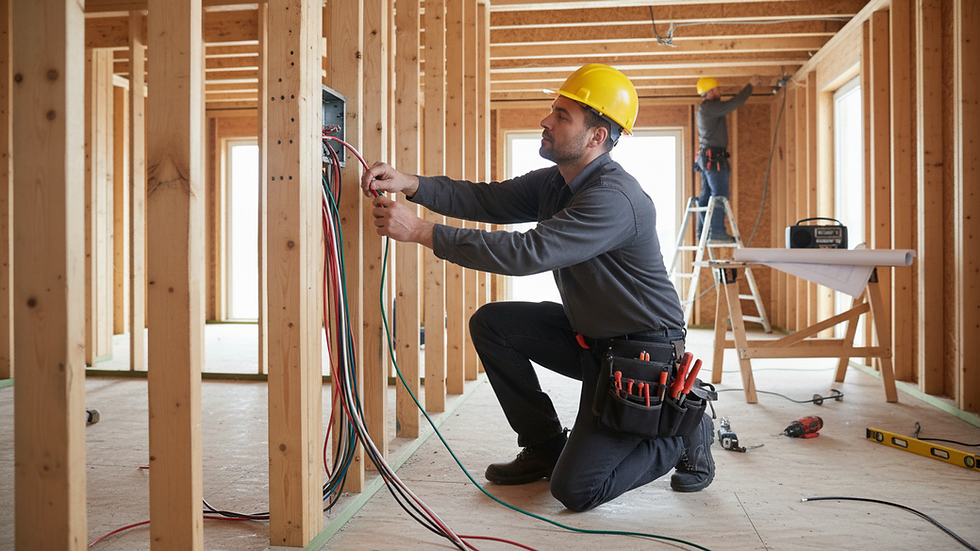
Electricians spend years learning the ins and outs of electrical systems. They know how to read blueprints, understand load calculations, and navigate local codes. When you DIY, you’re basically winging it. That’s a recipe for disaster.
2. Hidden Wiring Issues
Old homes, especially around Louisiana, often have outdated wiring that’s brittle or unsafe. You might think you’re just swapping a switch, but you could be dealing with aluminum wiring or knob-and-tube systems that need special handling.
3. Overloading Circuits
Adding new outlets or fixtures without understanding your home’s electrical load can cause breakers to trip constantly or worse, overheat wiring.
4. Improper Grounding
Grounding is your safety net. Without it, you risk electrical shock or damage to your appliances.
5. Using the Wrong Materials
Cheap or incorrect parts might save you a buck now but can lead to failures down the line.
Bottom line? The risks of DIY electrical work aren’t just about inconvenience—they’re about safety and long-term costs.

What are the five common electrical hazards at home?
If you’re still itching to tackle some electrical work yourself, at least know what to watch out for. Here are the five most common electrical hazards lurking in homes:
Faulty Wiring
Old or damaged wiring can cause shorts and fires. Look for frayed wires or scorch marks.
Overloaded Outlets
Plugging too many devices into one outlet can cause overheating.
Lack of Ground Fault Circuit Interrupters (GFCIs)
These lifesavers prevent shocks in wet areas like kitchens and bathrooms.
Improper Use of Extension Cords
Extension cords aren’t meant for permanent wiring. Using them as such is a fire hazard.
DIY Electrical Repairs Without Permits
Skipping permits means no inspections, which means unsafe work can go unnoticed.
Knowing these hazards is half the battle. The other half? Knowing when to call in the pros.
How to Stay Safe If You’re Set on DIY Electrical Projects
Look, I’m not here to squash your DIY dreams. If you’re dead set on doing some electrical work yourself, here’s how to keep it safe:
Do your homework. Read up on local electrical codes and safety standards.
Turn off the power. Always shut off the breaker before touching anything.
Use the right tools and parts. Don’t skimp on quality.
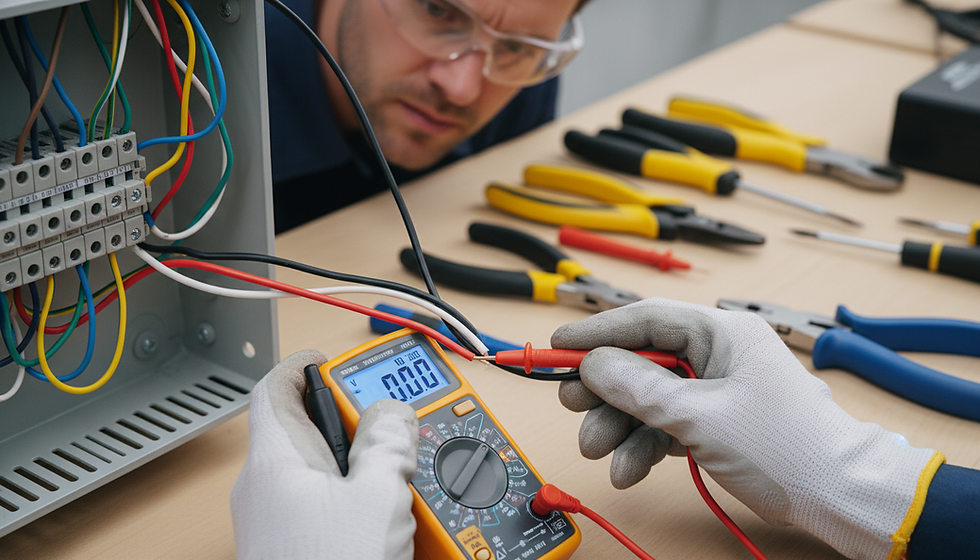
Test twice, connect once. Double-check your wiring before powering up.
Know your limits. If it feels complicated, it probably is.
And hey, if you’re ever in doubt, don’t hesitate to reach out to a licensed electrician. It’s better to be safe than sorry.
When to Call in the Pros: Why Dane’s Electric Has Your Back
Here’s the truth: some jobs just aren’t worth the risk. If you’re dealing with:
Complex wiring upgrades
Electrical panel replacements
Troubleshooting persistent electrical issues
Installing new circuits or major appliances
That’s when you want a pro on your side. Dane’s Electric is all about keeping Louisiana homes and businesses safe with custom, high-performing electrical systems. We know the local codes, the quirks of older homes, and how to get the job done right the first time.
Don’t let the dangers of diy electrical work catch you off guard. When you call us, you’re getting peace of mind and a job done safely.
Wrapping It Up: Keep Your Home Safe and Sound
DIY projects can be fun and rewarding, but electrical work? That’s a different beast. The risks are real, and the consequences can be severe. Whether you’re fixing a flickering light or rewiring a room, respect the power you’re dealing with.
If you want your home’s electrical system to be safe, reliable, and up to code, sometimes the smartest move is to call in the experts. After all, your home and family deserve nothing less.
Stay safe, stay smart, and keep those sparks where they belong - in your creativity, not your wiring!

Comments