The Importance of Professional Electrical Troubleshooting
Ever had that moment when a light flickers, a breaker trips, or worse, your whole house goes dark? Yeah, electrical issues can be a real pain. But here’s the kicker - trying to fix them yourself? Not always the smartest move. That’s where professional electrical troubleshooting steps in, saving the day (and maybe your life). Let me walk you through why calling in the pros is the best call you can make.
Why You Should Trust Professional Electrical Troubleshooting
Look, electricity is no joke. It powers our homes, keeps our gadgets alive, and yes, it can be downright dangerous if handled wrong. When something goes haywire, it’s tempting to grab a screwdriver and play electrician. But here’s the truth: professional electrical troubleshooting isn’t just about flipping switches or replacing fuses. It’s a science, an art, and a safety net all rolled into one.
Professionals come equipped with the right tools, know-how, and experience to diagnose problems quickly and accurately. They don’t just patch things up temporarily; they find the root cause and fix it for good. Plus, they follow strict safety codes and regulations, so you don’t have to worry about fire hazards or electrical shocks.
Imagine this: your circuit breaker keeps tripping every time you turn on the microwave. You could guess it’s the microwave, unplug it, and call it a day. Or, a pro could test the entire circuit, check for overloads, faulty wiring, or even hidden issues behind your walls. That’s the difference between a quick fix and a lasting solution.
How Professional Electrical Troubleshooting Saves You Money and Stress
You might think, “Why pay someone when I can just Google the problem and fix it myself?” Fair point. But here’s the deal: DIY fixes often lead to bigger headaches down the road. A small wiring issue left unchecked can cause damage to your appliances, increase your energy bills, or even spark a fire.
Professional troubleshooting helps you avoid these costly surprises. They spot problems early, recommend the best solutions, and ensure everything runs smoothly. Plus, they can advise on upgrades that improve your system’s efficiency and safety.
Here’s a quick list of benefits you get when you hire a pro:
Accurate diagnosis - No guesswork, just facts.
Long-term fixes - Solutions that last, not just quick patches.
Safety assurance - Protect your home and loved ones.
Energy efficiency - Lower bills with optimized systems.
Code compliance - Avoid fines and insurance issues.
And hey, if you’re dealing with residential electrical troubleshooting, having a licensed expert on your side is a game-changer. They know the ins and outs of local codes and standards, so your home stays safe and sound.
What Happens During a Professional Electrical Troubleshooting Visit?
Curious about what actually goes down when a pro shows up? It’s more than just poking around with a flashlight. Here’s a sneak peek at the process:
Initial Assessment - They’ll ask questions about the symptoms, when the problem started, and any recent changes.
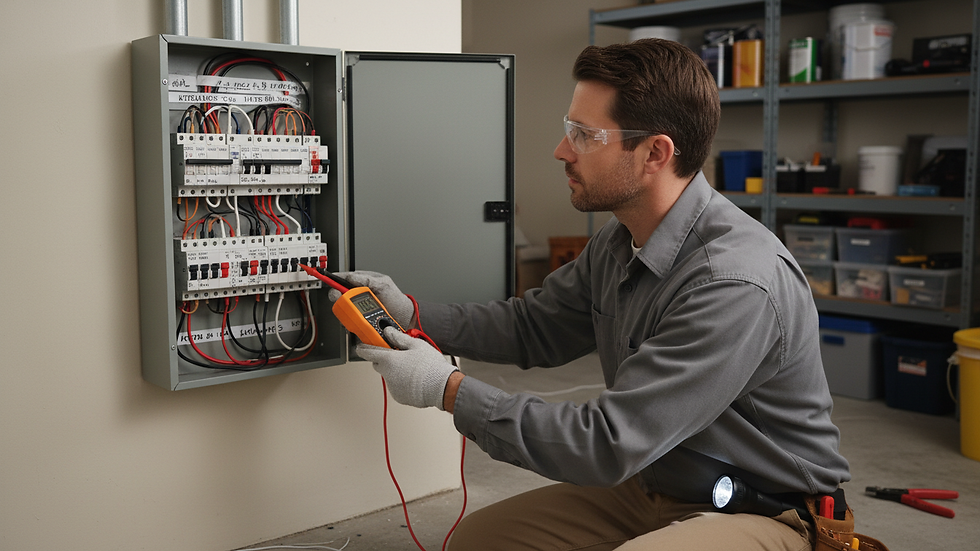
Visual Inspection - Checking outlets, switches, panels, and wiring for obvious signs of wear or damage.
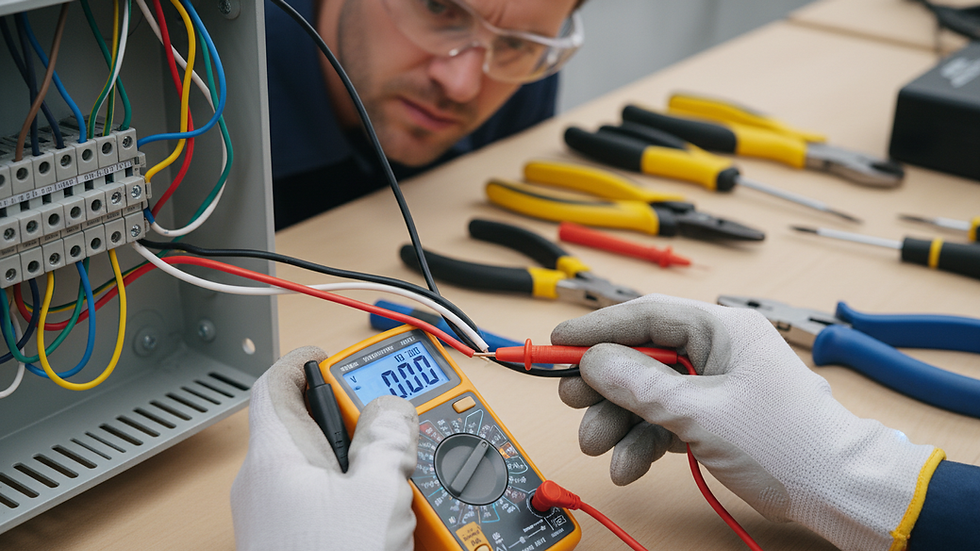
Testing and Measurement - Using specialized tools like multimeters, circuit testers, and thermal cameras to pinpoint issues.
Diagnosis - Identifying the exact cause, whether it’s a faulty breaker, loose connection, or outdated wiring.
Solution Proposal - Explaining the problem and recommending repairs or upgrades.
Repair or Replacement - Fixing the issue safely and efficiently.
Final Testing - Ensuring everything works perfectly before they leave.
This thorough approach means no stone is left unturned. And you get peace of mind knowing your electrical system is in tip-top shape.
Why DIY Electrical Troubleshooting Can Be Risky
Look, I get it. The internet is full of tutorials, and YouTube makes everything look easy. But electricity isn’t like assembling a bookshelf. One wrong move can lead to shocks, fires, or worse. Here’s why DIY electrical troubleshooting is a gamble you don’t want to take:
Hidden dangers - Faulty wiring can be concealed behind walls or ceilings.
Lack of proper tools - Professionals use equipment that’s not in your average toolbox.
Code violations - DIY fixes might not meet safety standards, causing insurance headaches.
Incomplete fixes - Temporary solutions can turn into bigger problems.
Personal injury - Electrical shocks can cause serious harm or even be fatal.
So, unless you’re a licensed electrician, it’s best to leave it to the pros. They’ve got the training and gear to handle the job safely and effectively.
Keeping Your Electrical System Healthy with Regular Check-Ups
Here’s a little secret: you don’t have to wait for a blackout to call in a professional. Regular electrical check-ups can catch issues before they become emergencies. Think of it like a health check for your home’s wiring.
Scheduling routine inspections helps:
Spot wear and tear early
Upgrade outdated components
Improve energy efficiency
Prevent unexpected outages
Keep your family safe
If you’re in Louisiana, where weather and humidity can take a toll on electrical systems, these check-ups are even more important. A trusted local electrician can tailor maintenance plans to your home’s unique needs.
So, next time your lights flicker or your outlets act up, remember: professional electrical troubleshooting isn’t just a luxury - it’s a necessity. It keeps your home safe, your wallet happy, and your peace of mind intact. Don’t wait for sparks to fly - get the experts on your side and enjoy worry-free living.


Comments