Why DIY Electrical Work Hazards Should Make You Think Twice
Alright, let’s get real for a second. You might be the king or queen of DIY projects around your home. You’ve painted walls, fixed leaky faucets, and maybe even built a nifty bookshelf or two. But when it comes to electrical work? Hold up. That’s a whole different ball game. I’m here to tell you why diy electrical work hazards are no joke and why you should think twice before grabbing that screwdriver and diving in.
Electricity is sneaky. It’s invisible, powerful, and unforgiving. One wrong move and you could be looking at a blown fuse, a fried appliance, or worse—serious injury. So, buckle up, because I’m about to walk you through why DIY electrical work is a hazard, what common risks lurk in your home, and how to keep your family and property safe.
The Shocking Truth About DIY Electrical Work
Let’s start with the basics. Why is DIY electrical work so risky? First off, electricity doesn’t mess around. It’s not like painting a wall where a little unevenness is no big deal. A tiny mistake with wiring can cause fires, electrocution, or damage that costs way more than a professional’s fee.
Here’s the kicker: electrical codes and safety standards exist for a reason. They’re designed to keep you safe and your home up to snuff. When you try to bypass those rules, you’re basically playing with fire—literally. And trust me, the last thing you want is to be the reason your house turns into a bonfire.
Plus, electrical systems are complex. It’s not just about connecting wires. You’ve got to understand circuits, grounding, load capacity, and more. Without proper knowledge, you might think you’re saving money, but you’re actually setting yourself up for costly repairs or dangerous situations down the line.

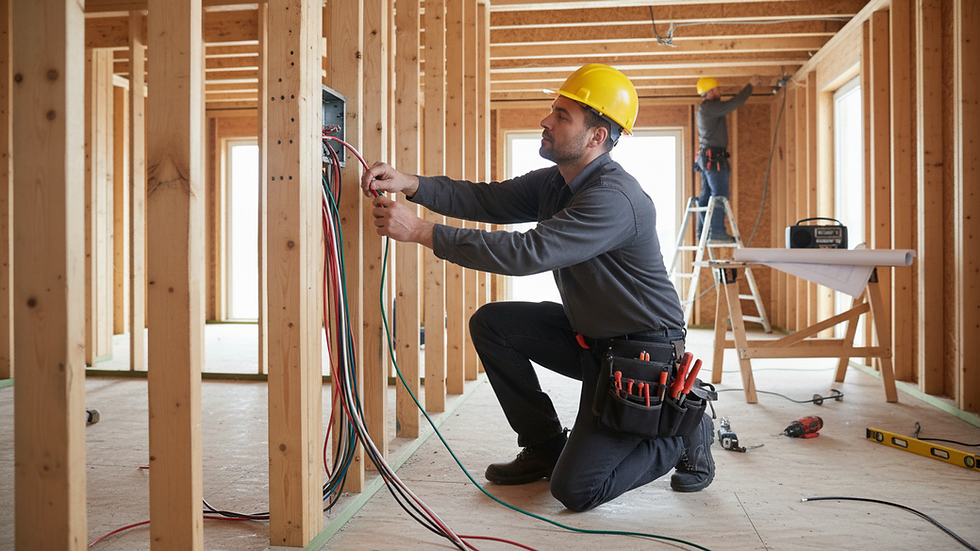
Messy wiring can lead to serious electrical hazards.
Why You Should Never Underestimate DIY Electrical Hazards
Okay, so you get that it’s risky. But what exactly can go wrong? Let me break it down with some real talk:
Electric Shock: This is the big one. Even a small shock can cause muscle spasms, burns, or heart problems. And if you’re unlucky, it could be fatal.
Electrical Fires: Faulty wiring or overloaded circuits can spark fires. These fires often start behind walls, making them hard to detect until it’s too late.
Code Violations: If your DIY job doesn’t meet local electrical codes, you could face fines or trouble when selling your home.
Damage to Appliances: Incorrect wiring can fry your expensive gadgets and appliances.
Insurance Issues: Many insurance policies won’t cover damage caused by unlicensed electrical work.
So, yeah, the dangers of DIY electrical work are very real. And if you want to see what I mean, check out this link about dangers of diy electrical work for more info.
What are the five common electrical hazards at home?
Now, let’s get specific. What are the usual suspects when it comes to electrical hazards in your home? Here are five common ones you should watch out for:
Overloaded Outlets and Circuits
Ever noticed your outlets getting warm or your circuit breaker tripping? That’s a sign you’re pushing your electrical system too hard. Plugging too many devices into one outlet can cause overheating and fires.
Faulty Wiring
Old or damaged wiring is a ticking time bomb. It can cause shorts, shocks, or fires. If your home is older, it might have outdated wiring that doesn’t meet today’s safety standards.
Improper Grounding
Grounding is like a safety net for your electrical system. Without it, you risk shocks and damage to your electronics.
Damaged Cords and Plugs
Frayed cords or broken plugs are easy to overlook but can cause sparks or shocks. Always inspect your cords and replace any that look worn out.
DIY Electrical Repairs
Yep, this one’s on the list. When you try to fix electrical issues without the right skills, you might make things worse or create new hazards.

Circuit breakers help prevent electrical overloads and fires.
How to Stay Safe and When to Call the Pros
Look, I get it. DIY can be fun and rewarding. But when it comes to electrical work, safety has to come first. Here’s my advice on how to stay safe:
Know Your Limits: If you’re not 100% sure what you’re doing, don’t touch it. Electrical work isn’t the place to learn on the fly.
Turn Off Power: Always switch off the power at the breaker before working on any electrical system.
Use the Right Tools: Insulated tools and voltage testers are a must-have.
Follow Local Codes: Check your local electrical codes and permits. They’re there to protect you.
Inspect and Test: After any work, test your circuits and outlets to make sure everything is safe.
And here’s the golden rule: When in doubt, call a licensed electrician. They have the training, tools, and experience to get the job done safely and right the first time.
Why Professional Electrical Services Are Worth Every Penny
I know, hiring a pro might seem like a splurge. But think about it this way: you’re investing in peace of mind. A licensed electrician will:
Ensure your electrical system is safe and up to code.
Prevent costly repairs down the road.
Protect your home and family from fire and shock hazards.
Save you time and stress.
Plus, in Louisiana’s unique climate, electrical systems can face extra challenges like humidity and storms. A local pro knows how to handle these conditions to keep your system running smoothly.
So, next time you’re tempted to DIY your electrical fixes, remember: it’s not just about saving money now. It’s about avoiding headaches, hazards, and heartaches later.
Keep Your Home Bright and Safe
At the end of the day, your home should be a safe haven. Electrical work is one area where cutting corners can lead to serious trouble. Whether you’re upgrading your lighting, fixing a faulty outlet, or installing new appliances, don’t risk it with DIY.
Instead, trust the experts who know the ins and outs of electrical safety. Your family, your wallet, and your peace of mind will thank you.
Stay safe, stay smart, and keep those lights shining bright!


Comments